Catalog · Kay Kāvus
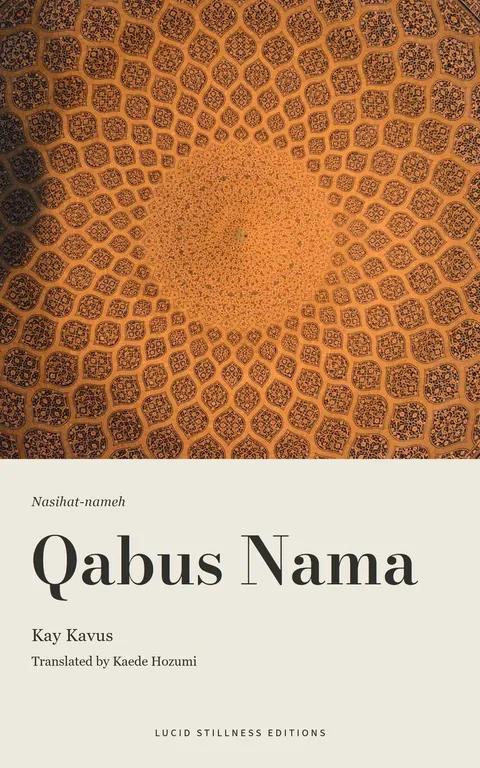
Qabus Nama
قابوسنامه
Persian mirror for princes · Kay Kāvus · 1082
Goethe urged his friends to read the Qabus Nama. The Persian prince Kay Kāvus was sixty-three when he began writing it for his son. His family's power had waned, and noble birth offered uncertain protection. He wanted the young man to know how to earn a living and how to judge the people around him. A useful skill might one day matter more than a distinguished name.
That concern gives the book its force today. Kay Kāvus knows the awkwardness of depending on someone powerful, the care a friendship demands, and the distance between good advice and what people actually do. He remembers his own mistakes and tells stories with humor.
Through his eyes medieval Persia becomes a world of working lives. Poets negotiate with patrons, merchants weigh a risk, courtiers choose their words. His chapters on poetry and music remain an important source for the history of Persian court literature. Some of the book's assumptions will unsettle a modern reader, especially where privilege governs other people's lives.
In this edition
- The complete preface and forty-four chapters
- Sixty-six explanatory notes
- A translator's afterword on the book's literary importance and its road to Goethe
Editions
- EnglishKindletranslated by Kaede Hozumi